
01
Survey, Concept & FEED
Review the site, operating need and interfaces; develop the concept and design basis for the E&I scope.
PROJECT OUTPUTS
- Site-survey inputs
- Concept/FEED documents
- Functional specifications
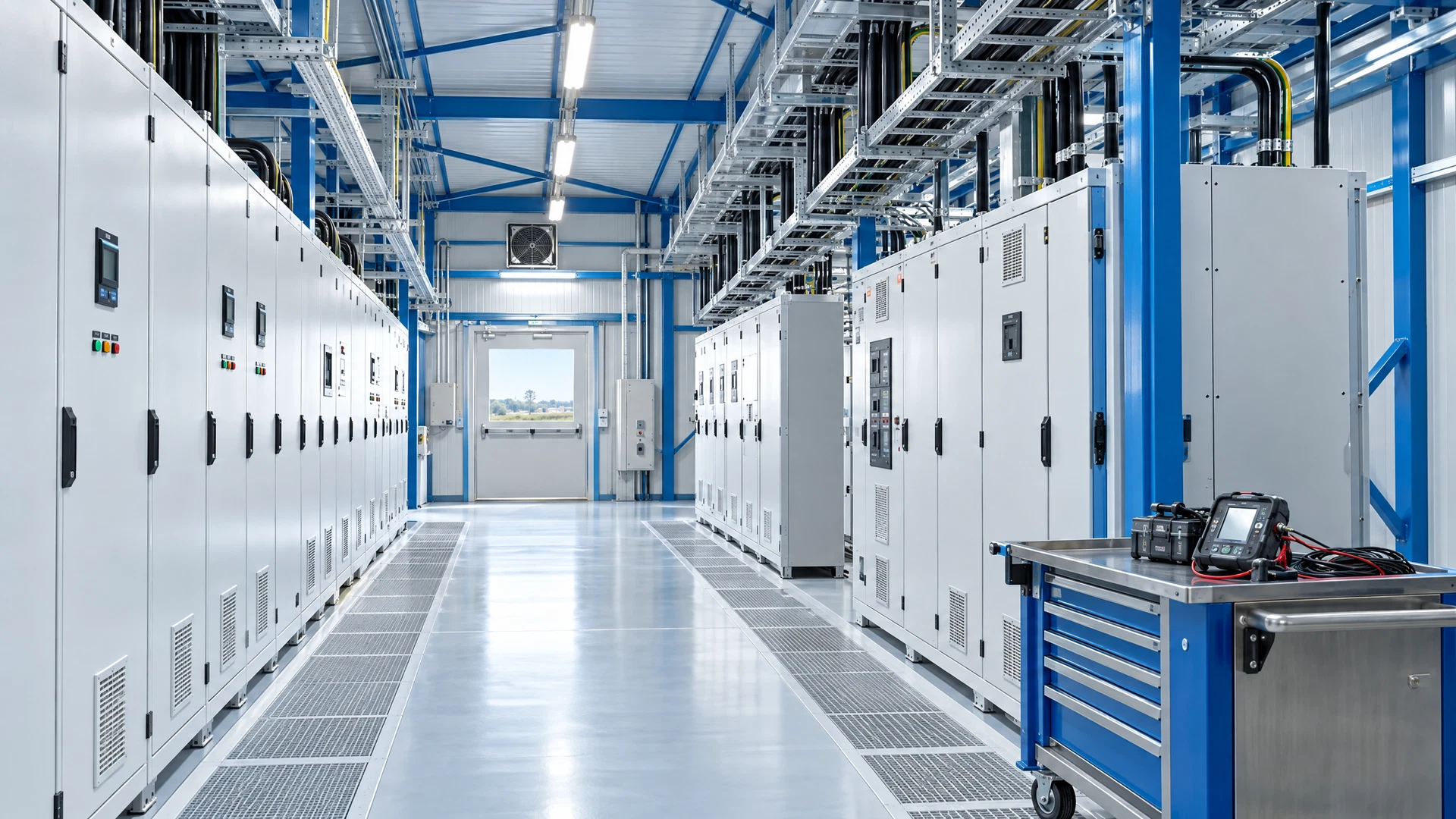
From the initial survey to operator handover, KEAS brings engineering, procurement, manufacture and field execution into one project conversation. Each engagement starts with a defined scope and agreed interfaces.
A control platform is one part of the plant. Electrical supply, instrument installation, panel construction, cable routes and field interfaces all affect how the system comes together. Our delivery disciplines address those connections, with documentation and testing matched to the agreed project scope.
For an existing facility, the first discussion includes the installed systems, available drawings and site constraints. For a new plant or package, it begins with the process requirements and the responsibilities of each project participant.
Review the site, operating need and interfaces; develop the concept and design basis for the E&I scope.
Translate the agreed concept into documents for procurement, fabrication, installation and test preparation.
Prepare RFQs and technical data, evaluate vendors where in scope, and manufacture or assemble required packages.
Bring equipment, software, wiring and interfaces together before turnover using agreed inspection and acceptance activities.
Complete project-defined installation checks, calibration, loop and functional tests, start-up and turnover records.
Understand the scope before selecting a system or requesting an engineering proposal.
KEAS offers electrical, instrumentation, automation and related plant telecommunications as an integrated engineering scope. A combined package can be defined when needed, but discipline boundaries, supply responsibilities and site interfaces are agreed for each engagement.
A DCS commonly coordinates process control across plant areas, while a programmable logic controller (PLC) is often applied to machine, unit or package control. Either can exchange signals with HMIs, SCADA and field devices; architecture follows the process, operating philosophy and interfaces.
Front-end engineering design (FEED) and conceptual design establish the technical basis, system concepts and early procurement inputs. SLDs, cable sizing/schedules, loop/hook-up details, logic and cause-and-effect information are developed to the agreed scope.
A site assessment starts with a survey and a clear view of existing equipment, signals, power sources, interfaces and operating constraints. Define modifications, tie-ins, temporary arrangements and tests with the owner and relevant package suppliers before site execution.
Depending on scope, commissioning can include inspection, calibration, loop checks, functional and system-integration tests, issue resolution, start-up, training and turnover records. KEAS confirms included tests, acceptance responsibilities and documentation for the contract.
Useful inputs include the operating objective, existing drawings or site information, process/equipment interfaces, available I/O and signal information, package documents, constraints, required deliverables and intended schedule. KEAS can then help define project-specific scope.
Share the application, site location, project stage and required services. Where available, include the existing platform, equipment list, I/O requirements and target schedule. We can then discuss the engineering scope, available information and next steps.
Describe your projectFrom a single control panel to an integrated E&I package. Tell us what you’re building.
Discuss your project